
The old video of the-nihilist-penguin from the documenter of ”Encounters at The End of The World” by Wenner Herzog broke the internet after it was published almost a decade ago. The documenter showed an Adélie Penguin stopped following its colony to the ocean and heading in opposite direction toward the ice mountains 70 km ahead. No companion, no food. It just walked following its instinct. Even when the scientist tried to bring it back to the colony, it would immediately turn around and head back toward the mountains. It’s almost impossible to survive with no feeding grounds seen along its path.
The public was drawn by the anomaly of penguin behavior. Interpreting the penguin’s decision as something far more profound than the disorientation commonly experienced by the animals. This shift of meaning happened as it reflected the human situation in positive nihilism believe to emphasize the freedom to choose.
Nothing matters, so might as well do whatever it is even if it means be different.
This narrative projects human belief or what human wants to believe. Blurring the true animal behavior that the penguin experienced. Animals sometimes act in ways that are maladaptive, the neurological issue that causes disorientation. There is no implication of motive beyond that.
But why do humans want the penguin to mean something?
Making stories is the way humans understand the world. When things do not make sense or beyond human understanding, they feel like they are no longer in control and feel the necessity to fill the unknowledgeable with something manageable to keep them in control. Humans determine the story and value of everything in the world based on what they feel and what benefits them. This concept is called anthropocentrism.
Anthropocentrism & Speciesism
Anthropocentrism is a philosophical viewpoint that human beings are the core of the world. This view regards humans as superior to other entities (animals, plants, nature) and everything in this world exists for the benefit of humankind. Anthropocentrism raises the assumption that humans have the right to determine how valuable the life of one species is compared to another. It could justify the exploitation and the killing of certain species that humans value as commodities that benefit them. This act leads to species discrimination or speciesism.
Speciesism is similar to the concept of racism and sexism. It is a philosophy that prioritizes one species’ interests over the others; a practice considered discrimination. It involves treating members of one species as morally more important than the other, often assuming human superiority which leads to justifying the unjust treatment of other species and the exploitation of animals.
This discrimination manifests in the form of categorizing the animals into boxes such as domestic animals, wild animals, and farmed animals. Humans assign value to sentient creatures that’s measured only in terms of their usefulness as products or commodities. Define them as ‘food’, ‘entertainment’, and a mere ‘product’.
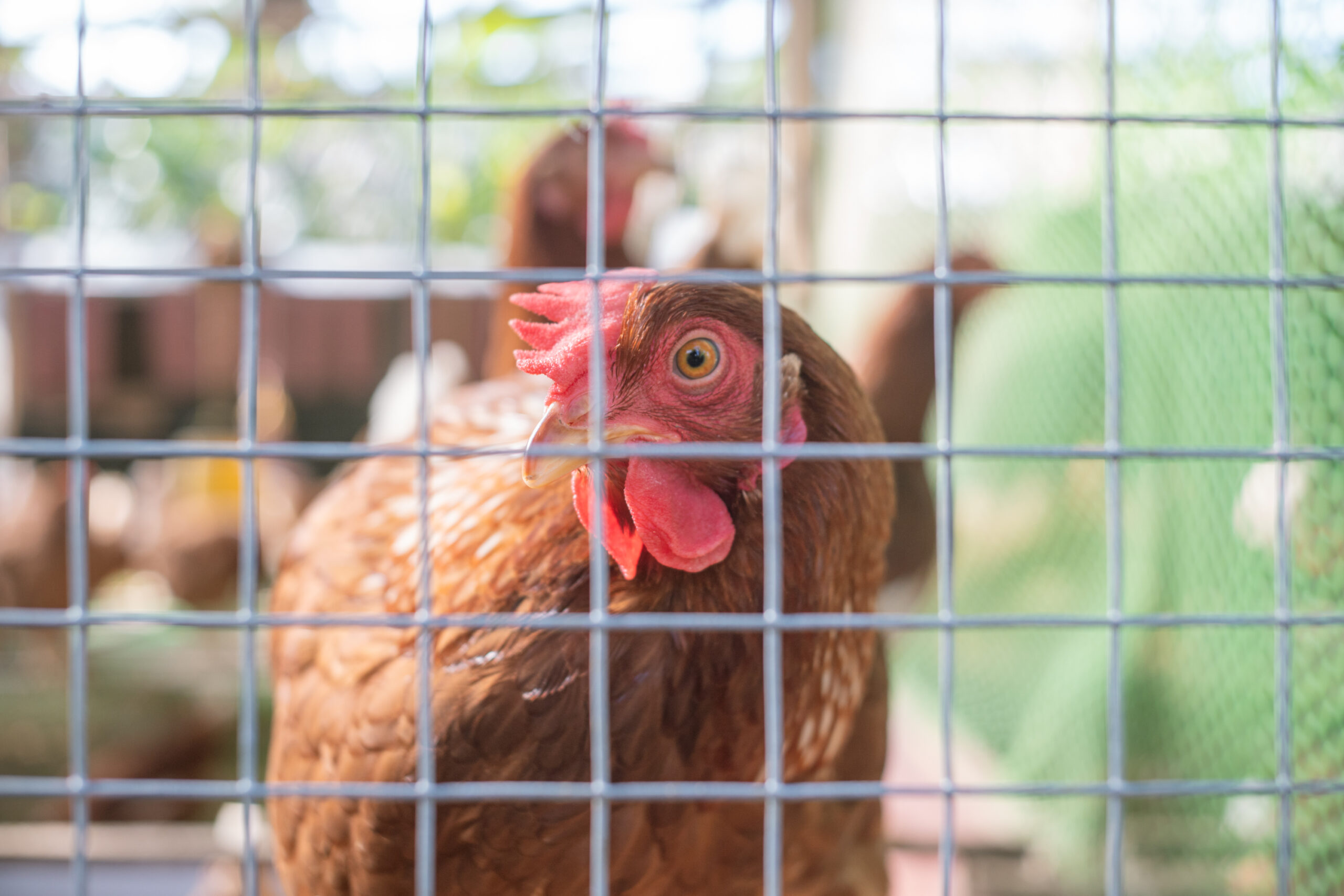
For example, society sees dogs and cats as close friends and companions, treating them with compassion, while normalizing a lifetime suffering for cows, pigs, chickens, and fishes, treating them as commodities in our food system. Wild animals get protection and conservation status due to its low population, while farmed animals keep sent to slaughterhouses because we still have other millions more of them.
When animal law protection discriminates against certain species, it’s clear that the system itself treats some species unjust so that humans may keep using them for large-scale industrial exploitation.
Humans have an obligation to treat animals with respect because animals are sentient beings and able to suffer. Rejecting the idea that one species is superior to another, perceive animals equally. Farmed animals also deserve love and respect as much as companion animals. No animal deserves to suffer simply for being.
Source:
Animal Ethics. (n.d.). Speciesism. https://www.animal-ethics.org/speciesism/
Anti-speciesism. (n.d.). Anti-speciesism – Our definition. https://anti-speciesism.com/anti-speciesism—our-definition.php
Britannica, T. Editors of Encyclopaedia. (n.d.). Speciesism. Encyclopedia Britannica. https://www.britannica.com/topic/speciesism
The Humane League. (2021, July 13). What is speciesism? https://thehumaneleague.org/article/speciesism
The Non-Human Animal. (2024, December 31). A year of growth for the non-human animal. Substack. https://substack.com/home/post/p-186611375